33-99No. Mufu E Rd. Gulou District, Nanjing, China [email protected] | [email protected]
33-99No. Mufu E Rd. Gulou District, Nanjing, China [email protected] | [email protected]
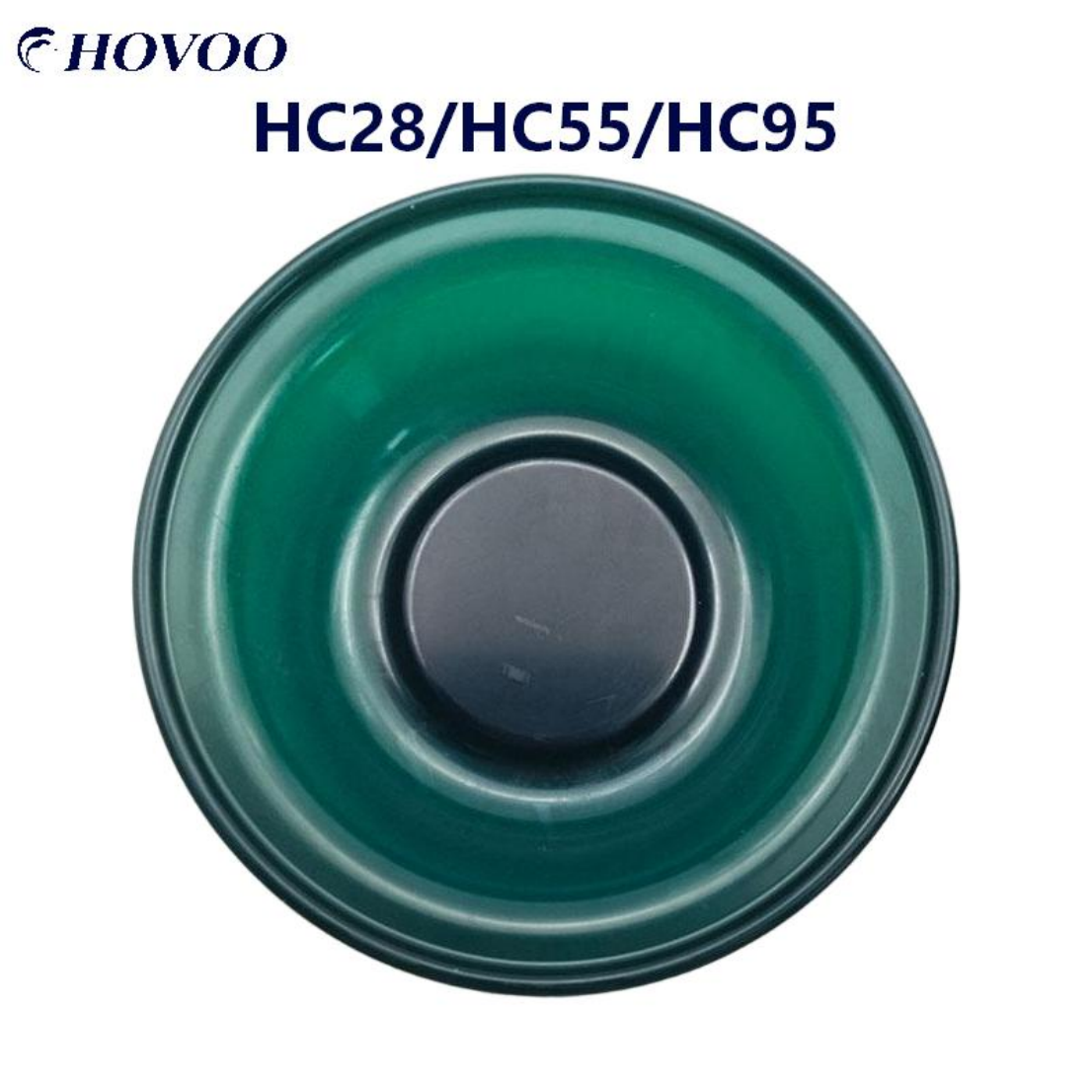
The Montabert HC28, HC55, HC95, HC50 and BRP130 hydraulic rock drill lineup stands out in the drilling industry for its exclusive energy recovery hydraulic technology and stable nitrogen pressure balancing system. These versatile drifters cover face ...
VIEW MORE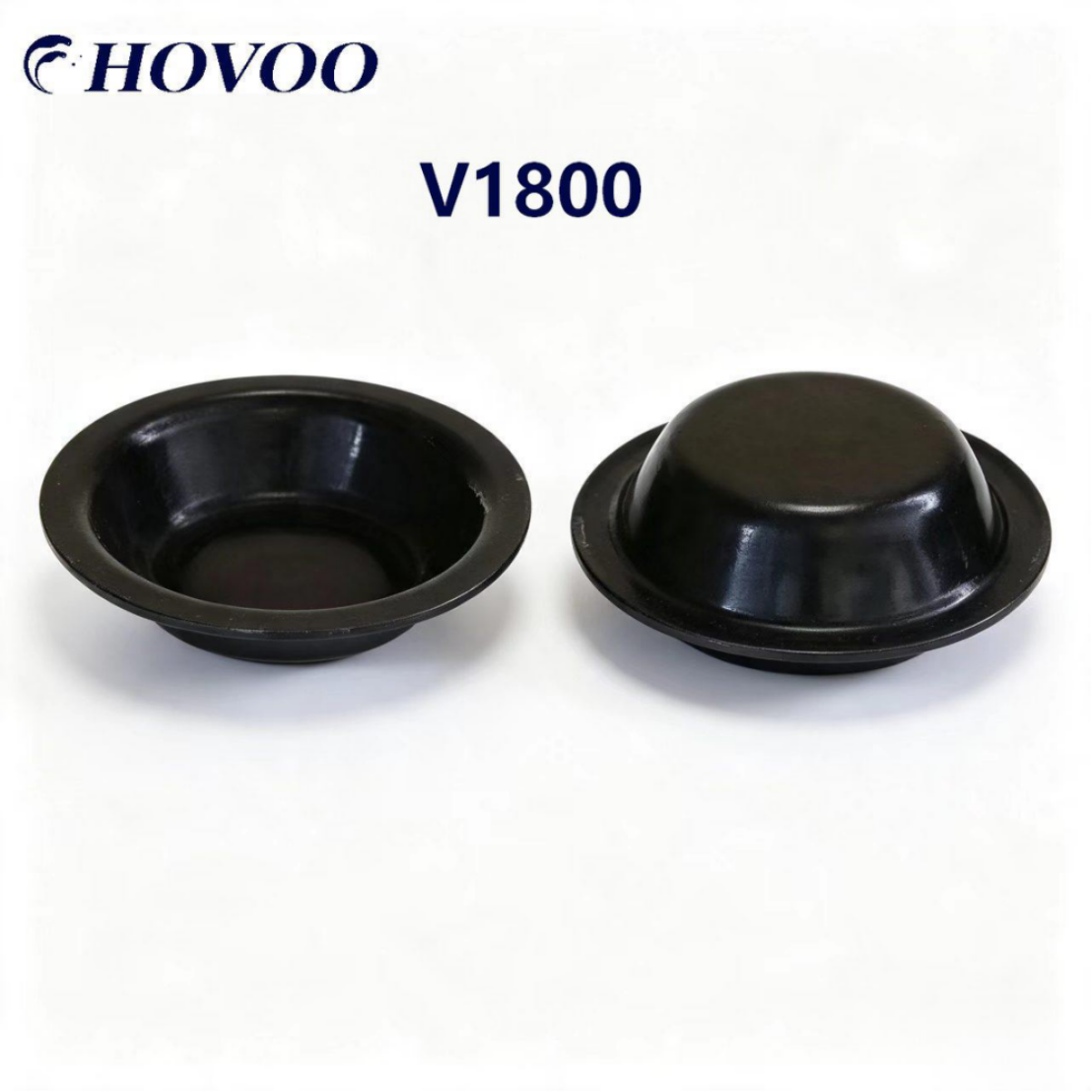
Renowned for precision hydraulic percussion technology and adaptive drilling performance, Montabert M300, M700, V1200, V1600 and V1800 hydraulic rock drills are premium European-engineered drilling solutions widely deployed in tunneling, quarry excav...
VIEW MORE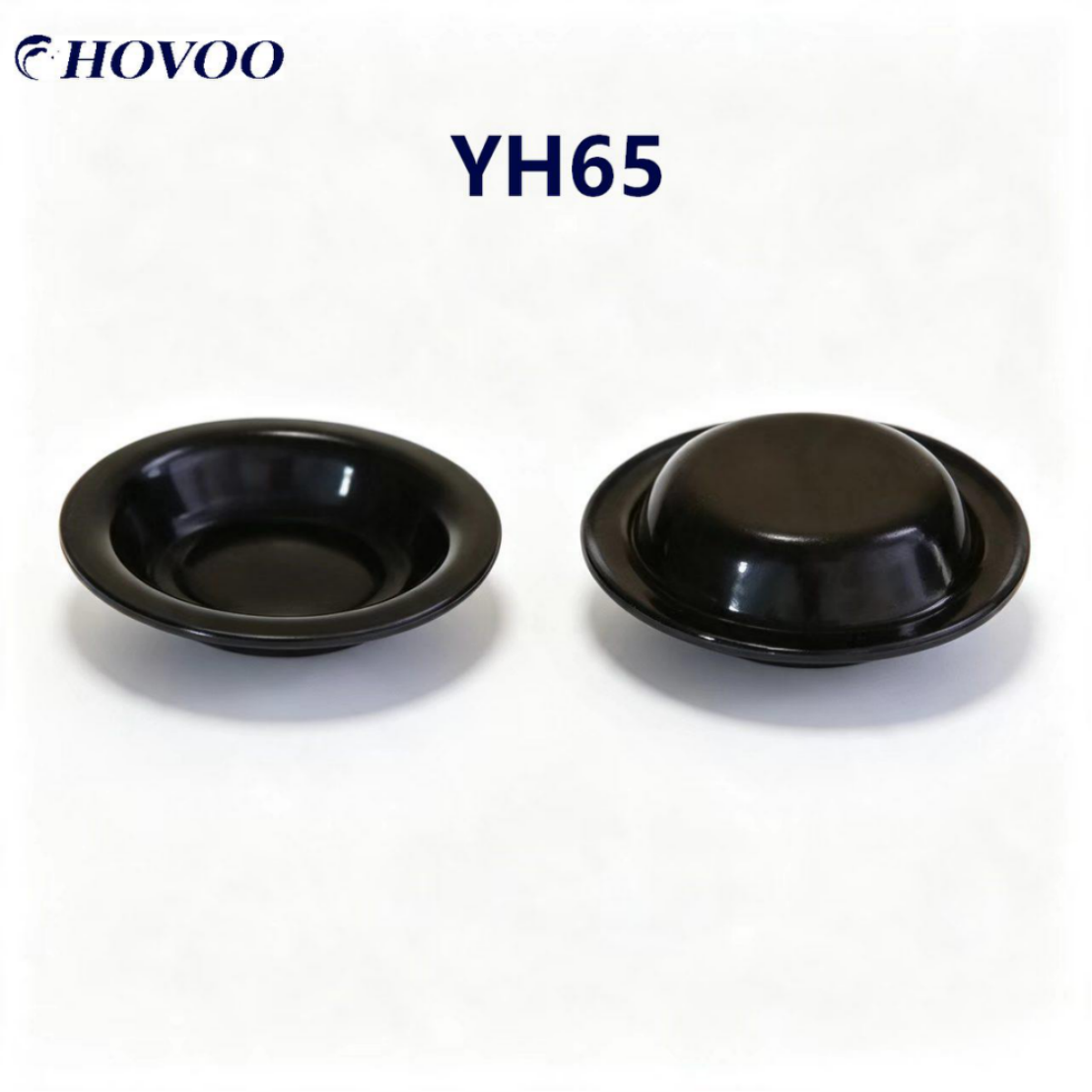
Widely utilized in pneumatic rock drilling and open-site quarrying operations, Ingersolland YH45, YH50, YH65, YH80 and CM580 rock drills are classic pneumatic drilling equipment trusted for versatile field adaptability. These robust drills excel in o...
VIEW MORE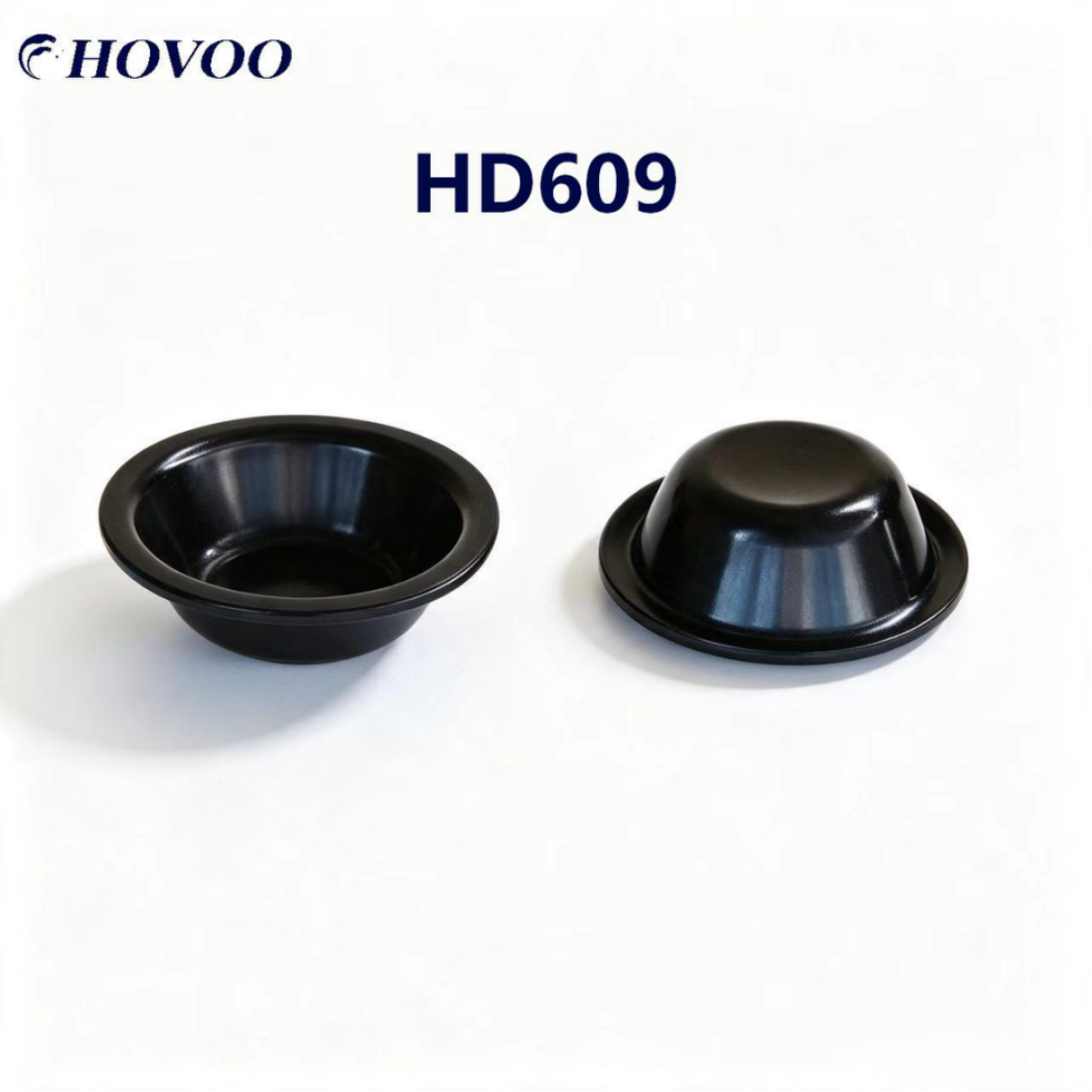
Widely adopted in urban infrastructure, open-pit quarrying and small-scale rock excavation projects, Furukawa HD612, HD609 and HCR9DS rock drills are renowned for their flexible operation and stable low-energy consumption performance. These practical...
VIEW MORE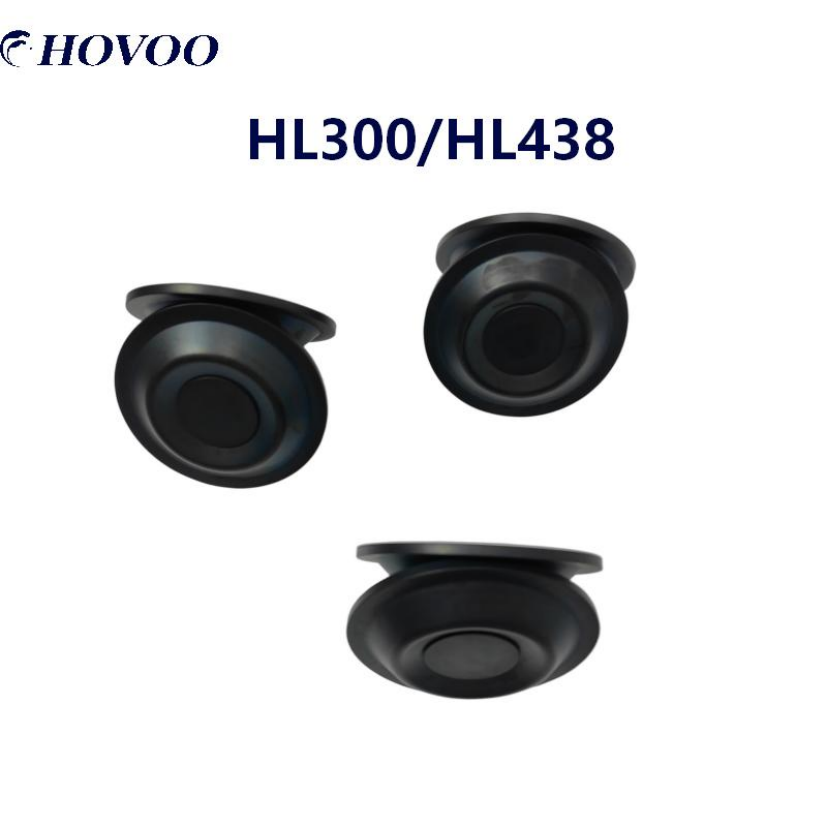
Sandvik HE119, HE122 and HFX5T rock drills are specialized top hammer units engineered exclusively for underground bolt drilling, tunnel reinforcement and precision auxiliary drilling tasks. Differing from conventional blasting and deep-hole drilling...
VIEW MORE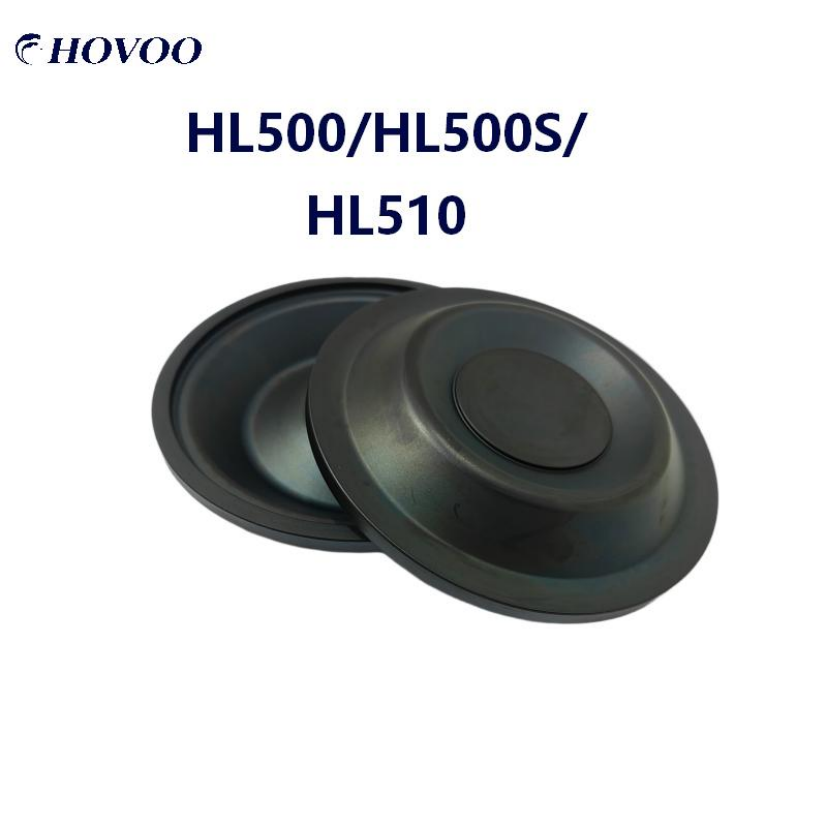
The Sandvik HL500H, HL500S, HL510, HL300 and HL438 rock drill series covers lightweight and medium-duty top hammer drilling solutions, widely deployed in tunnel face drilling, mine bolt installation, road slope stabilization, and small-scale quarry d...
VIEW MORE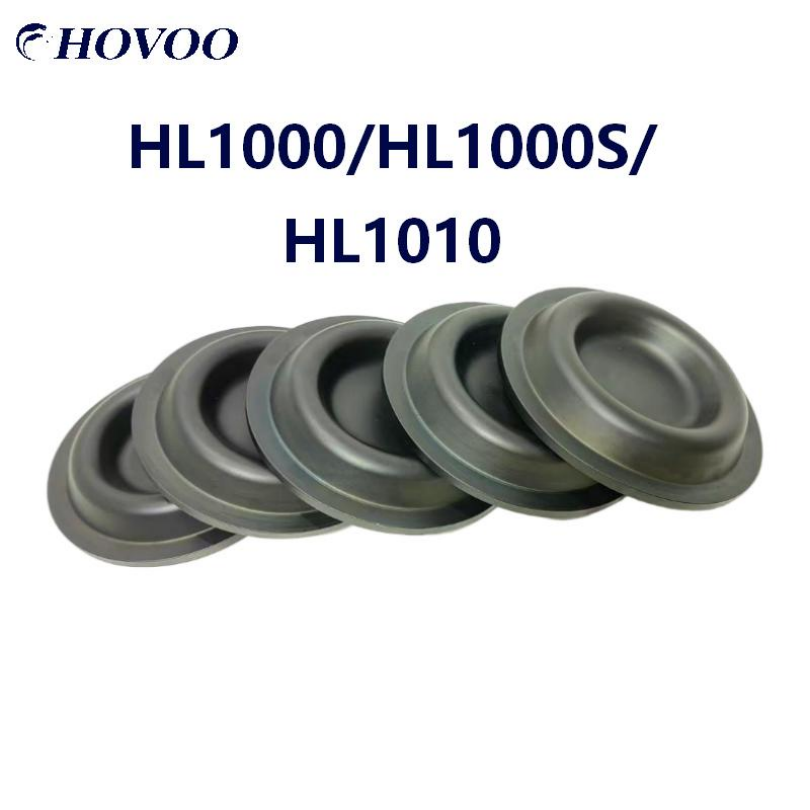
The Sandvik HL1560T, HL1000, HL1000S, HL1010 and HL850S rock drill lineup is purpose-built for heavy-duty long-hole and large-diameter drilling, covering both open-pit surface mining and underground bulk blasting projects. Featuring independent rotat...
VIEW MORE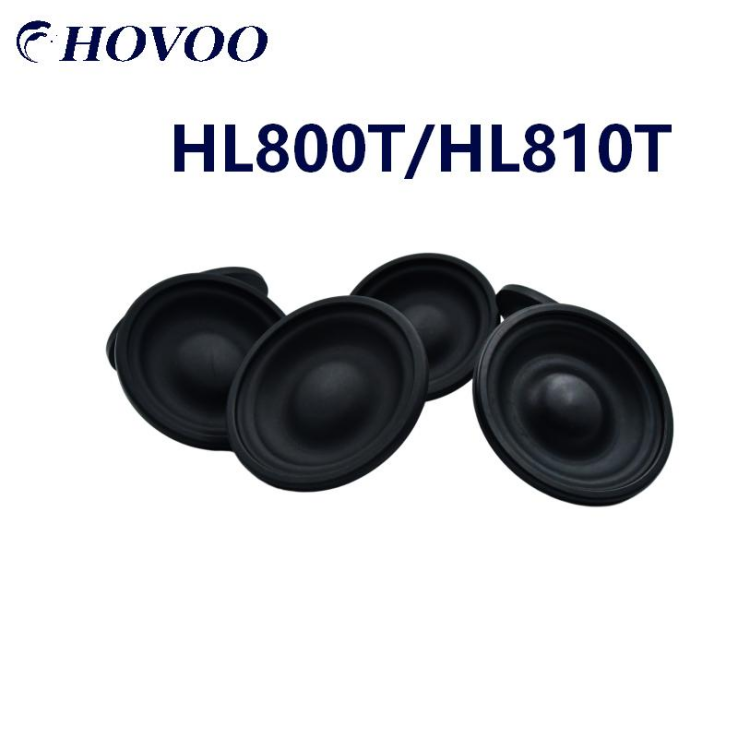
Sandvik HL800T, HL810T, HL600, HLX5 and HLX5T top hammer rock drills represent a specialized lineup of low-vibration, high-precision drilling equipment tailored for refined mining and tunneling operations. Optimized for controlled percussion and stab...
VIEW MORE
Sandvik HL-series top hammer rock drills, including HL1500, X2, HL700, HL710 and HL800 models, are industry-leading hydraulic drilling solutions optimized for underground production drilling and open-pit long-hole blasting. Renowned for high percussi...
VIEW MORE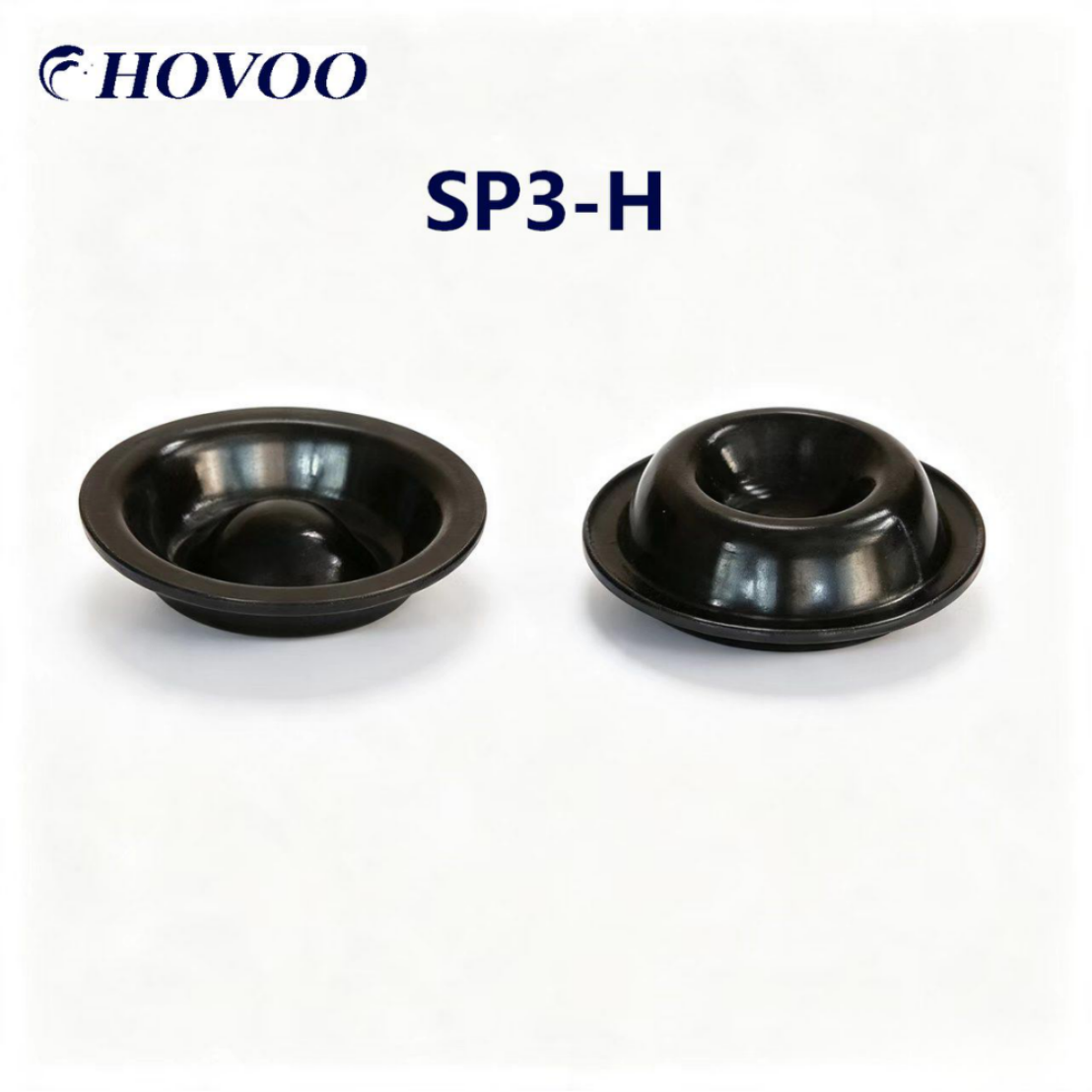
The SOOSAH SP3-H and SP3-LOW variable-pressure hydraulic rock drills are widely favored in medium-scale quarrying, road reconstruction and civil rock engineering fields, renowned for flexible pressure switching and stable accumulator operation. This ...
VIEW MORE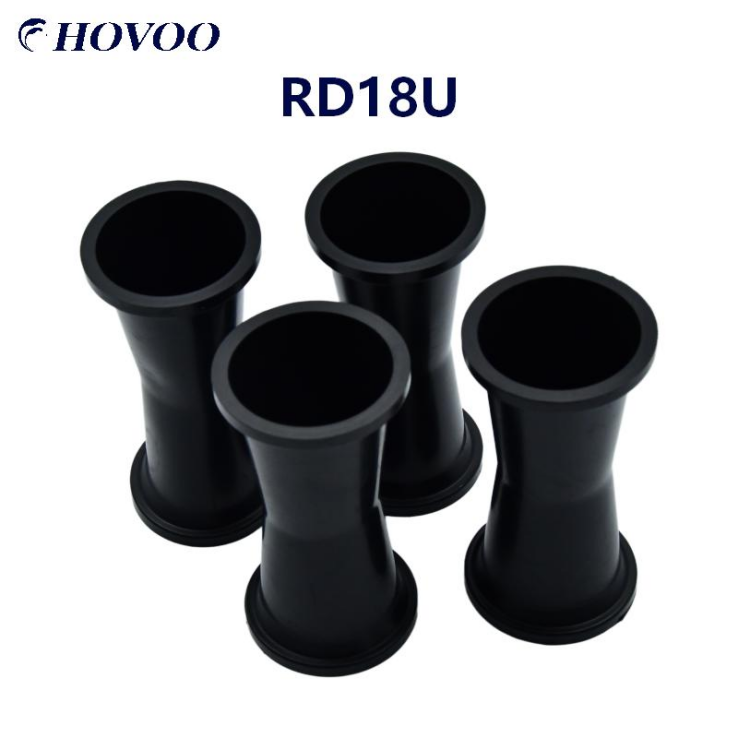
Covering versatile drilling scenarios from standard underground drifting to specialized construction drilling, the Epiroc 2160, 2550, 2560, RD18U and SC25 rock drill models serve as multi-functional workhorses for mining, tunneling and civil engineer...
VIEW MORE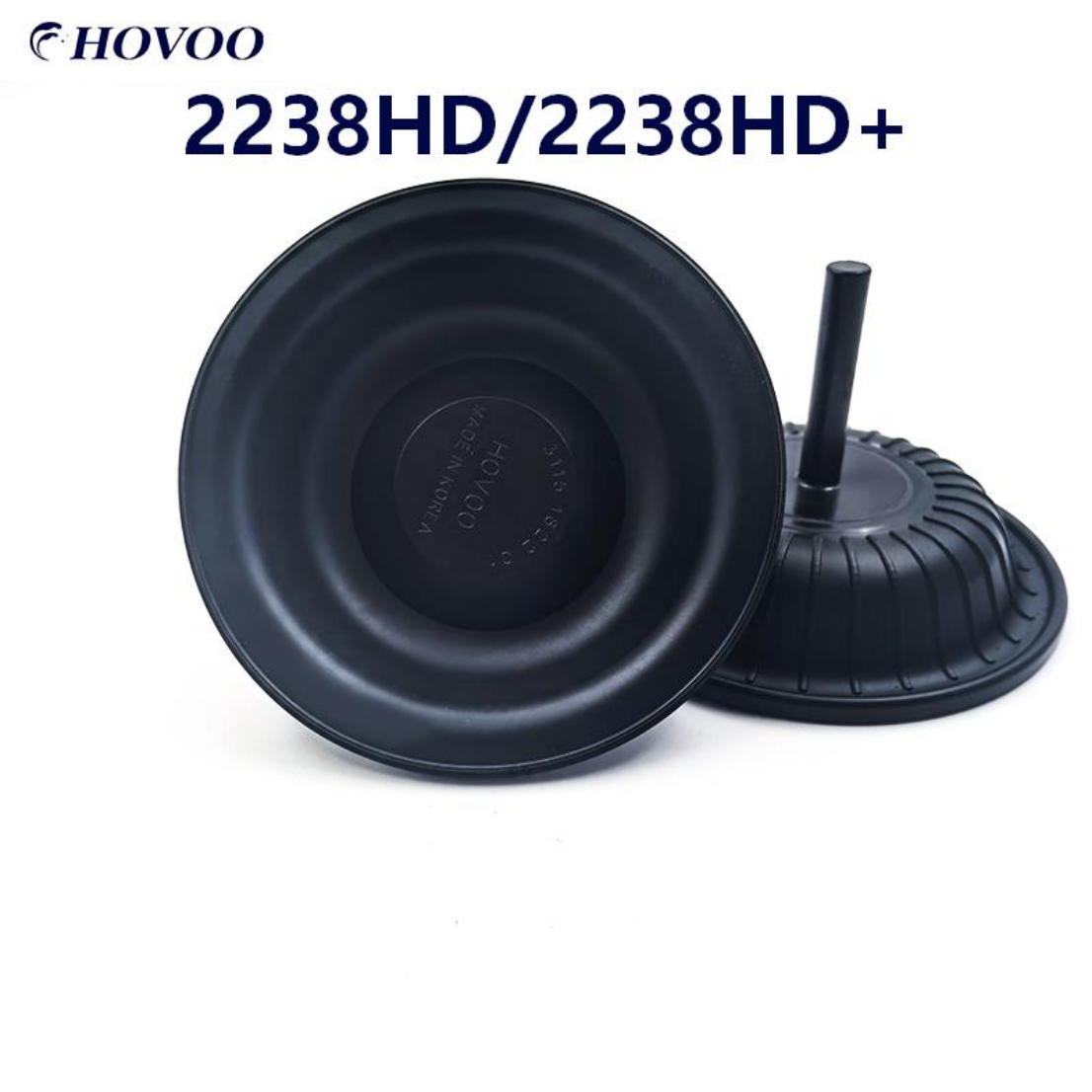
Designed for large-bore deep hole drilling and heavy hard-rock excavation, the Epiroc 1638HD, 1638HD+, 2238HD and 2238HD+ drifters are mainstream high-power drilling solutions for large-scale mines and long-distance tunnel projects. Unlike convention...
VIEW MORE
Welcome to HOVOO, a Chinese seal factory. Production of PU, Rubber and PTFE seals. The seals include O-ring, piston seal, rod seal, Gray ring and gas seal.


 EN
EN
 AR
AR CS
CS DA
DA NL
NL FI
FI FR
FR DE
DE EL
EL IT
IT JA
JA KO
KO NO
NO PL
PL PT
PT RO
RO RU
RU ES
ES SV
SV TL
TL IW
IW ID
ID LV
LV SR
SR SK
SK VI
VI HU
HU MT
MT TH
TH TR
TR FA
FA MS
MS GA
GA CY
CY IS
IS KA
KA UR
UR LA
LA TA
TA MY
MY
